Примечание: В этой статье, LV означает низкое напряжение., Среднее напряжение для среднего напряжения, HV для высокого напряжения.
Для зарубежных электрораспределительных сетей, новая энергетика и инфраструктурные проекты, Дольдо, Кабели среднего и высокого напряжения служат основной средой передачи энергии.. Многие неудачи проектов происходят не из-за плохого качества продукции., но неправильный выбор класса напряжения или недостаточное понимание структурных и испытательных недостатков между этими типами кабелей..
Из нашего практического опыта поддержки многочисленных зарубежных EPC-проектов., многие покупатели сосредотачиваются только на поперечном сечении проводника, игнорируя требования к экранированию и испытаниям, связанные с номинальным напряжением.. Это приводит к неудачной приемке объекта и нарушению изоляции при эксплуатации.. В этой статье рассматриваются определения, строительство, сравнение, выбор, реальные примеры и часто задаваемые вопросы по технической оценке инженерами и отделами закупок.
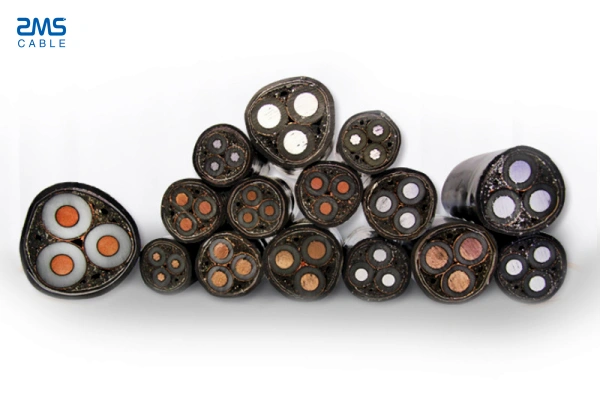
Что такое ЛВ, Кабели среднего и высокого напряжения?
Классифицировано в соответствии с международными стандартами IEC, эти кабели в первую очередь различаются по номинальному напряжению. Их внутренняя структура усложняется по мере увеличения напряжения..
Дольдо (Низковольтное) Кабели
- Номинальное напряжение: ≤1 кВ, обычно 0,6/1 кВ
- Типовая конструкция: Дирижер (медь / алюминий) + изоляция + наполнитель + переплетная лента + Внешняя оболочка. Броня не является обязательной. Никакого полупроводникового или металлического экранирования не требуется..
- Функции: Простая конструкция, гибкая установка и более низкая стоимость закупок. Предназначен для распределения электроэнергии конечными пользователями по зданиям и оборудованию..
- Приложения: Электроснабжение здания, подключение промышленного оборудования, временное электроснабжение объекта, распределение жилого сообщества.
Мв. (Среднее напряжение) Кабели
- Номинальное напряжение: 1 кВ-35кВ, общие рейтинги: 6/10 кВ, 8.7/15 кВ, 12/20 кВ, 26/35 кВ
- Типовая конструкция: Дирижер + проводниковый полупроводниковый экран + Изоляция из сшитого полиэтилена + изоляционный полупроводниковый экран + металлический медный щит + слой подстилки + (дополнительная броня) + Внешняя оболочка. Как внутренний, так и внешний полупроводниковые экраны, а также металлическое экранирование обязательны для гомогенизации электрических полей и предотвращения разрушения изоляции, вызванного частичным разрядом..
- Функции: Строгие производственные требования.. Испытание на частичный разряд является обязательным на заводе.. Подходит для доставки электроэнергии на средние расстояния..
- Приложения: Городские магистральные распределительные сети, Коллекторные схемы ветряных и солнечных электростанций, крупные индустриальные парки, исходящие фидеры подстанции.
ВН (Высокое напряжение) Кабели
- Номинальное напряжение: Выше 35 кВ, общие рейтинги: 66 кВ, 110 кВ, 220 кВ
- Типовая конструкция: Дирижер + многослойные полупроводниковые экраны + утолщенная изоляция из сшитого полиэтилена + металлическая оболочка (вести / алюминий) + водозащитные слои + (дополнительная броня) + Внешняя оболочка. Толщина изоляции, Системы экранирования и водоблокировки гораздо более требовательны, чем системы для кабелей среднего напряжения..
- Функции: Сложные пороги производства и тестирования, создан для передачи электроэнергии большой мощности на большие расстояния.
- Приложения: Отходящие линии электростанции, межрегиональная магистральная передача, подземные туннели высокого напряжения в крупных городах.
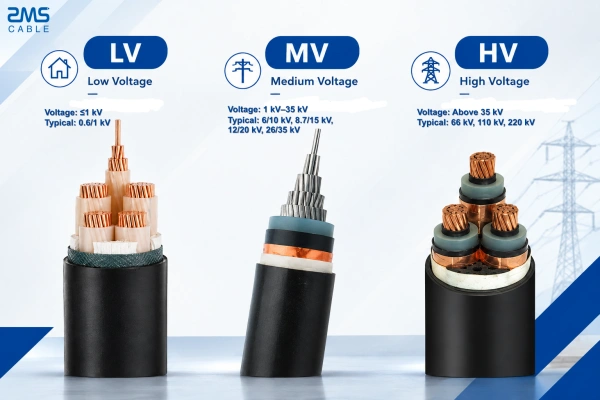
Ключевые различия между ЛВ / Мв. / Высоковольтные кабели
На основе стандартов IEC, в сравнительной таблице ниже приведены критические параметры для быстрого ознакомления.:
| Элемент сравнения | Кабели НН | Кабели среднего напряжения | Высоковольтные кабели |
|---|---|---|---|
| Номинальное напряжение | ≤1 кВ (главным образом 0.6/1 кВ) | 1-35 кВ | > 35 кВ |
| Полупроводниковые экраны | Не требуется | Обязательный проводник & изоляционные экраны | Обязательна высокоточная система полной защиты. |
| Металлический Щит | Необязательный | Обязательный (медная лента / медный проволока) | Обязательная герметичная металлическая оболочка. |
| Тест частичного разряда | Обычно не требуется | Обязательное заводское испытание | Строгий частичный разряд & предварительные испытания |
| Изоляционный материал | ПВХ / СПЭ | СПЭ / ЭПР | Утолщенный сшитый полиэтилен с водоблокирующей металлической оболочкой. |
| Типичное использование | Распространение терминалов конечного пользователя | Региональное распространение & коллекция возобновляемых источников энергии | Магистральная передача большой мощности на большие расстояния |
| Справочный стандарт | МЭК 60502-1 | МЭК 60502-2 | МЭК 60840, МЭК 62067 |
Как выбрать подходящие силовые кабели для вашего проекта
Опираясь на опыт зарубежных проектов, мы суммировали четыре основных критерия отбора:
Номинальное напряжение системы соответствия: Номинальное напряжение кабеля должно быть равно или выше рабочего напряжения системы.. Никогда не снижайте цену на кабели. Для системы 10 кВ, 0.6/1 Кабели низкого напряжения кВ не могут заменить продукцию среднего напряжения.
Мощность & расчет расстояния передачи: Выбирайте более высокие напряжения для долговременных цепей, чтобы уменьшить потери I²R.. Снижение номинальной токовой нагрузки при прямой подземной прокладке или параллельной прокладке нескольких кабелей..
Среда установки:
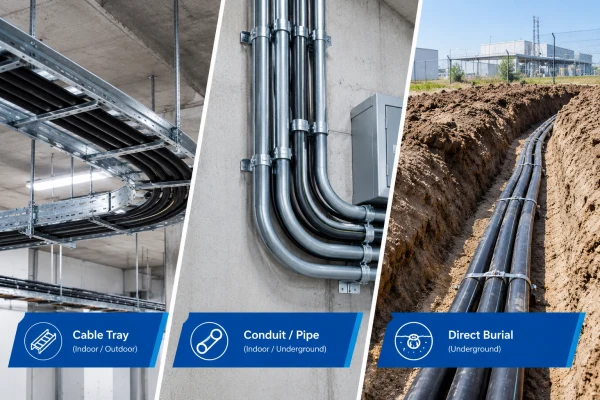
- Прямое захоронение или кабельные каналы: Укажите броню (Стальная ленточная броня STA / Броня из стальной проволоки SWA) для механической защиты.
- Туннели или занятые здания: Отдайте предпочтение малодымным безгалогенным оболочкам LSZH..
- Прибрежные или химически подверженные воздействию объекты: Использование коррозионностойких наружных оболочек.
Стандарты проекта & правила приемки: Подтвердите применимые стандарты (МЭК / БС / АСТМ и т. д.). Требования к конструкции и испытаниям различаются и не могут быть взаимозаменяемы..
Инженерное примечание: Класс напряжения предшествует поперечному сечению проводника.. Многие неправильные спецификации возникают из-за того, что основное внимание уделяется только размеру при игнорировании требований к экранированию и изоляции для целевых уровней напряжения..
Информация, необходимая для расчета стоимости силового кабеля
Многие раунды котировок затягиваются из-за неполных спецификаций.. Подготовьте следующие данные для оптимизации запросов:
- Применимый стандарт проекта: МЭК 60502-1 / МЭК 60502-2 / БС и т. д..
- Номинальное напряжение: например. 0.6/1 кВ, 8.7/15 кВ, 110 кВ
- Материал проводника, количество ядра & поперечное сечение: например. 3×150+1×70мм² алюминиевый проводник
- Требования к броне: Небронированный / Броня из стальной ленты СТА / Броня из стальной проволоки SWA
- Тип оболочки: ПВХ / ЧП / ЛСЖ, Требования к атмосферостойкости или антикоррозионной защите
- Рабочее состояние: Прямое захоронение / поднос / воздуховод; среда (прибрежный, низкотемпературный, химическое воздействие)
- Общая длина заказа, барабан на единицу длины, место доставки и время выполнения.
Примеры выбора проектов
Случай1: Проект внутреннего электроснабжения коммерческого комплекса Юго-Восточной Азии
Все кабели прокладываются по кабельным лоткам внутри жилых зданий без прямого захоронения.. Рабочее напряжение системы 0,4 кВ.. 0.6/1 Были выбраны небронированные низковольтные кабели LSZH кВ., балансирование затрат и показателей пожарной безопасности при распределении электроэнергии в здании.
Случай 2: Коллекторная схема солнечной электростанции в Африке
10 цепи сбора напряжения на объекте, частично закопано в песчаный грунт с риском механического повреждения. Мы рекомендуем кабели среднего напряжения со стальной лентой и сшитым полиэтиленом на напряжение 8,7/15 кВ., соответствие требованиям по экранированию электрического поля и частичному разряду, а также устойчивость к подземным механическим нагрузкам.
Часто задаваемые вопросы
1 квартал: Можно ли снять полупроводниковые экраны с Кабели среднего напряжения сократить расходы?
Нет. Полупроводниковые экраны являются обязательным компонентом кабеля среднего напряжения для гомогенизации электрического поля.. Их удаление приводит к частичному разряду и преждевременному выходу из строя изоляции., и кабели не смогут принять международный проект.
2 квартал: Делать Кабели ВН всегда обеспечивать более высокую силу тока при равном поперечном сечении?
Нет. Допустимая нагрузка зависит от сечения проводника., режим установки и температура окружающей среды. Более высокое напряжение снижает потери в сети, но не увеличивает допустимую токовую нагрузку напрямую..
Q3: Может бронированный Кабели низкого напряжения использоваться в качестве кабелей среднего напряжения?
Абсолютно нет. Броня улучшает только механическую защиту.. Он не может заменить полупроводниковые экраны или толстую изоляцию.. Изоляция низкого напряжения не выдерживает электрического напряжения среднего напряжения и быстро выходит из строя..
Q4: Медные и алюминиевые проводники: как решить?
Медь обеспечивает более высокую пропускную способность и меньший внешний диаметр.. Алюминий легче и экономичнее. Для дальних цепей, Алюминиевые проводники с поперечным сечением на один размер больше могут обеспечить существенную экономию общих затрат по проекту..
Почему стоит выбрать силовые кабели ZMS?
Как производитель кабеля, поддерживающий международных EPC-подрядчиков, ZMS поставляет полный ассортимент силовых кабелей низкого и среднего напряжения., с доставкой HV через квалифицированные партнерские ресурсы.
Наша продукция соответствует IEC, БС, ASTM и другие международные стандарты. Каждый кабель среднего напряжения проходит 100% заводское тестирование на частичный разряд.. Полные отчеты о типовых испытаниях и заводская документация предоставляются для поддержки участия в тендерах и проверки третьей стороной..
Для прямого захоронения доступны индивидуальные конфигурации брони и специальных оболочек., прибрежный коррозионный, Туннели LSZH и низкотемпературные применения. Также могут поставляться соответствующие кабельные муфты и наконечники, чтобы минимизировать риски на месте, вызванные несоответствием аксессуаров..
Заключение
Между LV не существует абсолютного «лучшего», Кабели среднего и высокого напряжения. Основной принцип – соответствие номинальному напряжению., расстояние передачи, среда установки и стандарты проекта. LV занимается распространением среди конечных пользователей., МВ обслуживает региональные электросети, и HV поддерживает магистральную передачу большой мощности на большие расстояния..
Если вы работаете над зарубежной инфраструктурой, проектов в области возобновляемых источников энергии или модернизации сетей и нуждаются в помощи с Кабель НН/СВ/ВН спецификация или цена, пришлите параметры вашего проекта, условия площадки и применимые стандарты. Наша техническая команда может предложить советы по выбору и конкурентоспособные предложения..