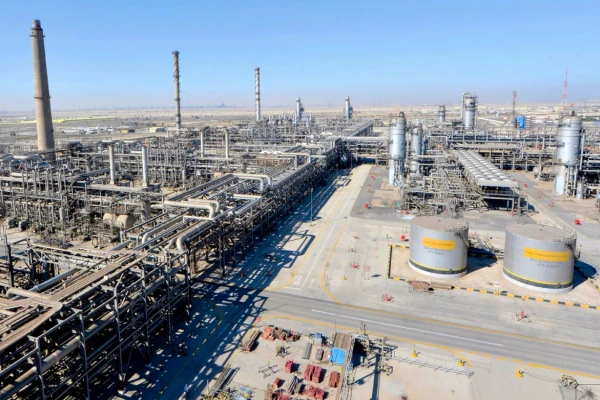
Saudi Arabia is a major global oil and gas producer, with extensive investments in oil fields, refineries, natural gas processing plants, and petrochemical facilities. These industrial projects require reliable electrical systems to support continuous production, equipment operation, and process automation.
From drilling operations to refining and pipeline transportation, different types of industrial cables for oil and gas play an essential role in power distribution, signal transmission, and equipment control.
However, oil and gas cable selection in Saudi Arabia requires consideration of more than electrical specifications. High temperatures, intense UV exposure, sand, oil, and demanding industrial environments can all affect cable performance.
This article introduces the main oil and gas cable types, their applications, and important factors to consider when selecting cable products for industrial projects in Saudi Arabia.
Why Are Industrial Cables Important for Saudi Arabia's Oil and Gas Industry?
Saudi Arabia’s oil and gas industry includes drilling sites, refineries, petrochemical plants, gas processing facilities, and pipeline networks. Each facility depends on reliable electrical and control systems. Industrial cables support several essential oil and gas applications:
Oil and Gas Production: Power cables supply electricity to pumps, compressors, drilling equipment, and other machinery.
Refining and Petrochemical Processing: Control and instrumentation cables connect monitoring devices, sensors, and automated control systems.
Pipeline and Storage Facilities: Electrical and communication cables support pumping stations, monitoring equipment, and remote control systems.
In addition, cables installed in Saudi Arabia may face high ambient temperatures, strong sunlight, dust, and exposure to oils or chemicals. Choosing suitable cable materials and protective structures is therefore essential for reliable operation.
Common Types of Cables Used in Oil and Gas Projects
Different electrical systems require different cable constructions. The following industrial cable types are commonly specified for oil and gas applications.
Power Cables
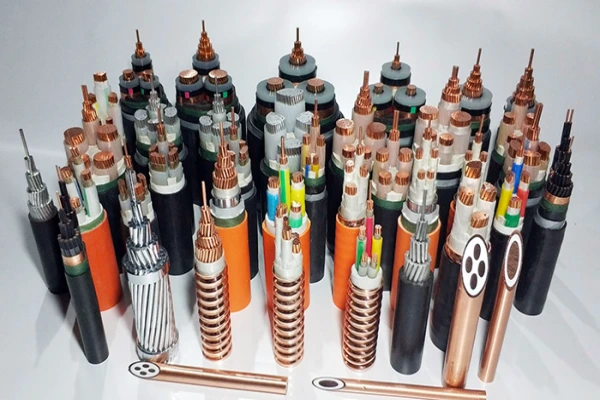
Power cables distribute electricity to motors, pumps, compressors, lighting systems, and other industrial equipment. Low-voltage and medium-voltage cables are selected according to the electrical system design.
XLPE and PVC are common insulation materials, while copper and aluminum conductors offer different electrical and economic advantages.
Explore our Oil and Gas Cable solutions for different industrial power applications.
Control Cables
Control cables transmit electrical signals between control panels, motors, switches, and industrial equipment. They are widely used in automation systems, motor control centers, and process control facilities.
Multicore, flexible, and shielded constructions are available for different installation and signal transmission requirements.
Instrumentation Cables
Instrumentation cables connect sensors, transmitters, and measuring instruments to control systems. They are essential for monitoring pressure, temperature, flow, and other process parameters.
Twisted pairs, individual shielding, and overall shielding help reduce electromagnetic interference and support reliable signal transmission.
Armoured Cables
Armoured cables provide additional mechanical protection in industrial environments where cables may be exposed to impact, pressure, or external damage.
Common options include steel wire armoured (SWA), aluminium wire armoured (AWA), and steel tape armoured (STA) constructions. The appropriate type depends on the cable design and installation requirements.
Fire-Resistant and LSZH Cables
Fire-resistant cables are designed to maintain circuit integrity under specified fire conditions, while LSZH cables are designed to reduce smoke and halogen acid gas emissions during combustion.
These cables may be required in emergency systems, control rooms, enclosed facilities, and other areas with specific fire safety requirements.
Key Requirements for Industrial Cables in Saudi Arabia
The operating environment is an important consideration when selecting industrial cables in Saudi Arabia.
| Requirement | Key Consideration |
|---|---|
| High Temperature | Suitable insulation and temperature rating |
| UV Exposure | UV-resistant outer sheath |
| Oil Resistance | Compatibility with petroleum products |
| Chemical Resistance | Protection against specified chemicals |
| Mechanical Protection | Suitable armour and outer protection |
| Fire Performance | Flame retardancy, fire resistance, or LSZH requirements |
Not every cable needs all these properties. The final construction should be determined by the installation environment, equipment requirements, and project specifications.
Oil and Gas Cable Standards for Industrial Projects
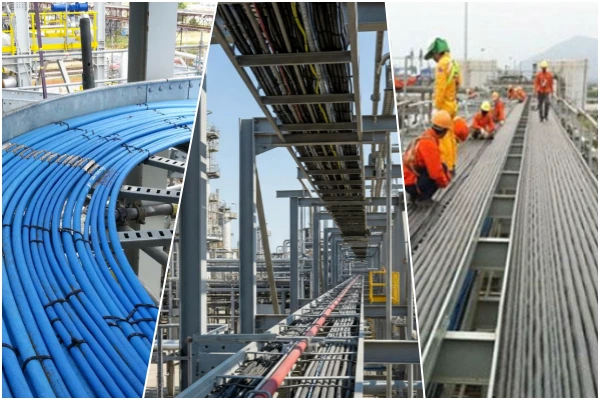
International standards help define cable construction, electrical performance, and testing requirements. Commonly referenced standards include:
- IEC 60502: Power cables with extruded insulation for specified voltage ratings.
- EN 50288-7: Multielement metallic data and control cables.
- IEC 60332: Tests on electric and optical fibre cables under fire conditions.
- IEC 60754: Tests for gases evolved during cable combustion.
- IEC 61034: Measurement of smoke density from burning cables.
Requirements may vary depending on the specific project. Clients should confirm the applicable oil and gas cable standards, technical specifications, and any additional requirements from the project owner or EPC contractor before purchasing cables.
How to Choose the Right Oil and Gas Cable Supplier
Selecting a reliable oil and gas cable supplier is important for maintaining product quality and meeting project requirements. Before purchasing, consider the following factors:
Product Range: Availability of power, control, instrumentation, and armoured cables.
Manufacturing Capability: Ability to provide different conductor sizes, insulation materials, and cable constructions.
Quality Control: Product testing, inspection procedures, and quality documentation.
Customization: Manufacturing according to project-specific technical specifications.
Export Experience: Experience with international packaging, shipping, and delivery arrangements.
ZMS Cable provides a range of industrial cable solutions for different oil and gas applications. Customers can explore available products and discuss customized cable requirements according to their project specifications. For technical assistance or product inquiries, contact ZMS Cable with your cable specifications, required quantities, and project details.
Frequently Asked Questions
Power cables, control cables, instrumentation cables, communication cables, and armoured cables are commonly used in oil and gas facilities.
Cable selection depends on the actual operating temperature and installation conditions. XLPE, EPR, and other specialized insulation materials may be considered according to project requirements.
Not always. Armoured cables are selected when additional mechanical protection is required, depending on the installation method and potential external damage.
Buyers should provide cable type, voltage rating, conductor material, cross-section, number of cores, insulation, sheath, applicable standards, and required quantity.
Conclusion
Choosing suitable oil and gas cables in Saudi Arabia requires careful consideration of electrical performance, environmental conditions, mechanical protection, and project standards.
Whether a project requires power, control, instrumentation, or armoured cables, ZMS Cable can support customers with different industrial cable solutions and customized manufacturing options.
Contact ZMS Cable to discuss your oil and gas cable requirements and find a suitable solution for your project.