What Kind of Cables Are Needed For India Substation & Transmission Network Expansion
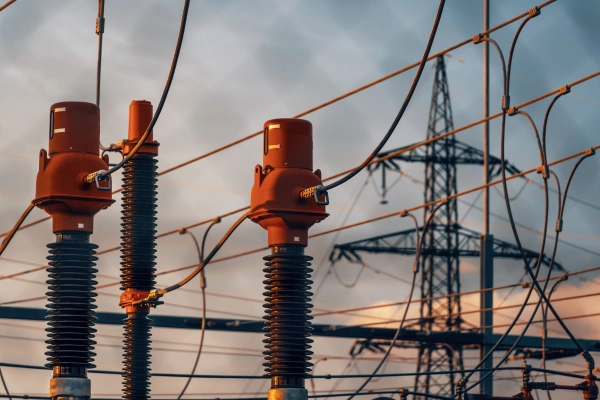
substation and transmission grid

India is rolling out a major long-term grid upgrade. Official PIB data shows India’s transmission network will expand from 509,000 circuit-kilometres (June 2026) to 648,000 circuit-kilometres by 2032. Hundreds of new and upgraded substations will connect renewable power from Gujarat and Rajasthan solar, wind and green hydrogen hubs, alongside growing industrial demand in Maharashtra and … Read more
Which Company Is the Best Industrial Cable Manufacturer?

ZMS

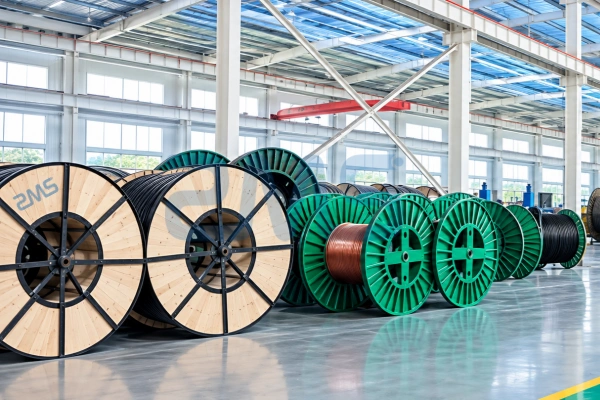
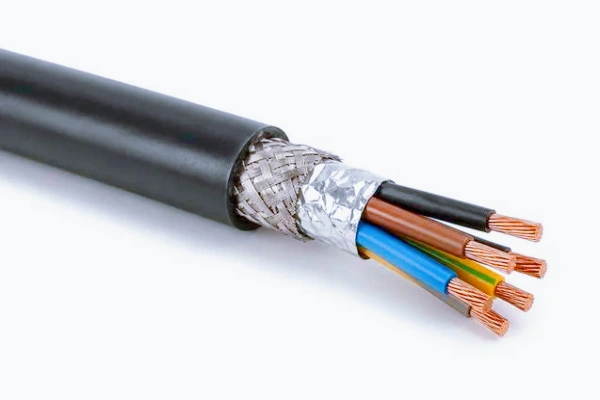
Many buyers searching for an industrial cable manufacturer hope to find a simple answer and lock in the best cable supplier right away. In reality, there is no universal cable manufacturer that fits every project. The right industrial cable manufacturer should deliver consistent and reliable cable performance, match your project specifications, certification standards and delivery … Read more

Shielded Cable vs Control Cable: Key Differences in Design and Application

Shielded Control Cable

When a customer asks for shielded cable, does that mean they need shielded control cable? Not necessarily. In the cable industry, these two terms are often confused. The reason is simple: control describes what a cable is used for, while shielded describes how it is constructed. A cable can be both shielded and designed for … Read more

Oil and Gas Cables in Saudi Arabia: Types & Applications

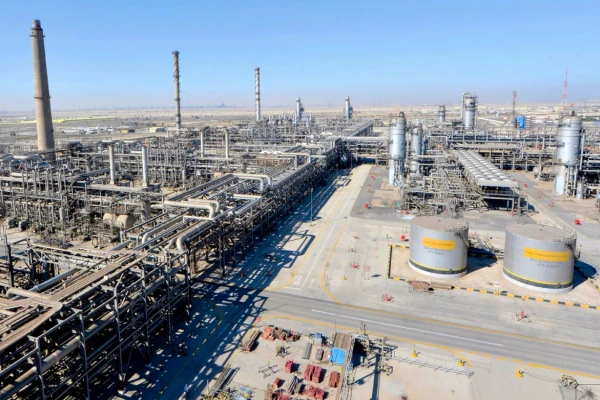
Oil and gas industrial facilities in Saudi Arabia

Saudi Arabia is a major global oil and gas producer, with extensive investments in oil fields, refineries, natural gas processing plants, and petrochemical facilities. These industrial projects require reliable electrical systems to support continuous production, equipment operation, and process automation. From drilling operations to refining and pipeline transportation, different types of industrial cables for oil … Read more

What is the difference between concentric cable and coaxial cable?

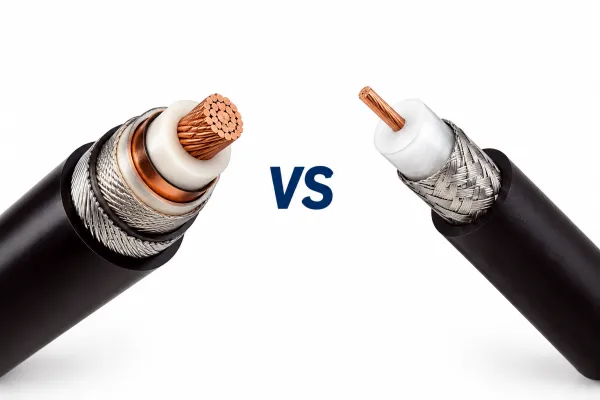
Concentric Cable vs Coaxial Cable

Concentric cable and coaxial cable look very similar, which often leads non professionals to confuse them during procurement, or even assume they are different names for the same product. In fact, they are two completely different technical routes: Concentric cable is a power cable, mainly used to transmit electrical power (for example, service entrance cables … Read more

How to Choose Between Single-Core and Multi-Core Cables? Key Differences, Risks and Project Selection Guide

Cables

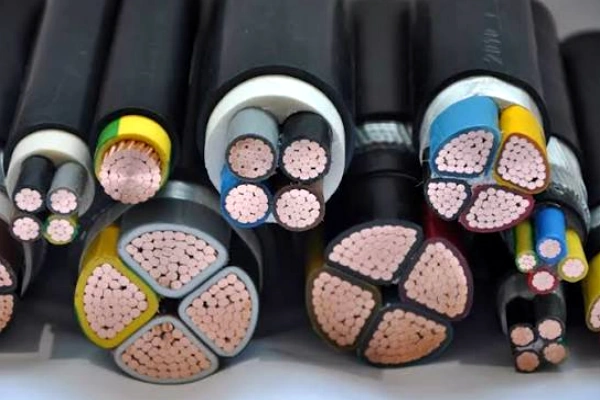
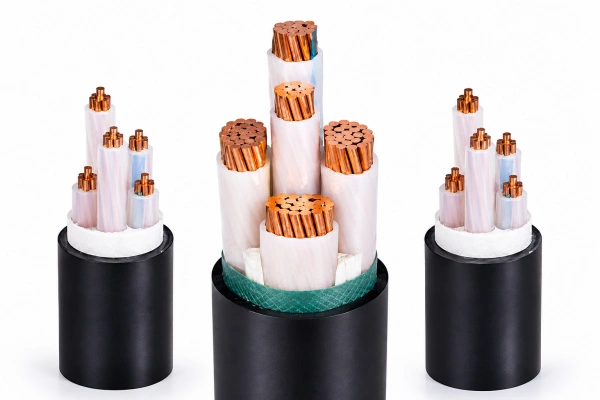
Single-core and multi-core cables are widely used in electrical design and field installation. Many engineers and buyers tend to select cables based only on past experience. This seemingly small decision may lead to insufficient ampacity, unexpected induced voltage, excessive electromagnetic interference, inflated construction budgets, or even failed project acceptance. No single cable works for every … Read more

Are LSZH cables fire-resistant? What is the difference between “flame-retardant” and “fire-resistant”?

LSZH cables

Many procurement staff, when selecting cables, see Fire-related markings on the label—including LSZH cables, Flame-retardant cables and Fire-resistant cables—and easily assume that they all belong to the fire protection category and can be used interchangeably. Many selection errors on projects stem from this misunderstanding. Ordinary LSZH low smoke zero halogen cable does not inherently have … Read more

Copper vs. Aluminum Cable: A Comprehensive Conductor Selection Guide

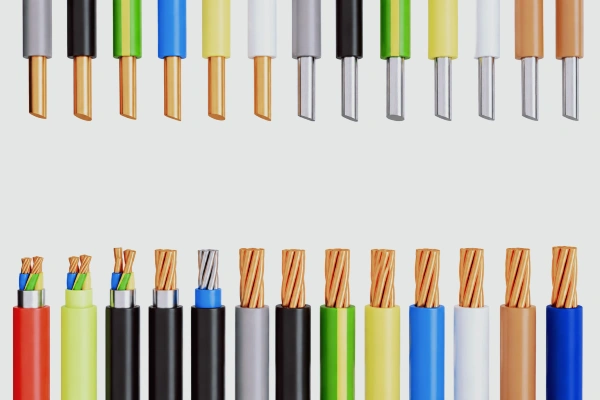
Various Conductor Materials

On electrical project procurement lists, the debate between copper (Cu) and aluminum (Al) conductors has never stopped. In the past, aluminum cables were linked to a number of safety incidents caused by immature termination technology in earlier years, which left some engineers wary of aluminum cables. Today, with copper prices high, cost pressure is forcing … Read more

Where Can You Use H05RR-F Cable? Understanding Its Application Limits

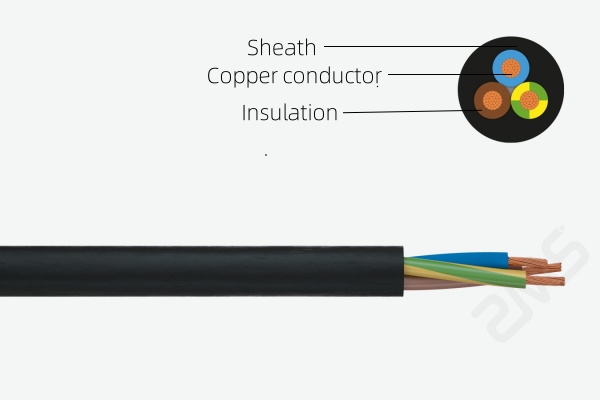
H05RR-F cable

H05RR-F is commonly abbreviated as “300/500V rubber cable.” As a light-duty flexible cable compliant with EN 50525-2-21, H05RR-F uses EPR insulation and a standard rubber sheath (EM3). Its primary design purpose is to withstand minor mechanical stress, making it suitable for portable household appliances, office equipment, and light-duty hand-held tools. H05RR-F is not suitable for … Read more

What is medium voltage submarine cable and where are they used?

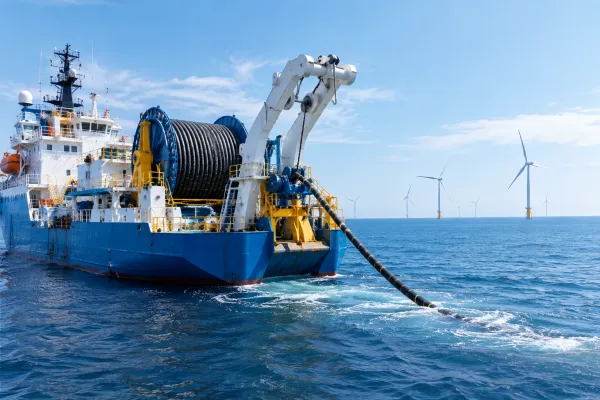
submarine-cable-installation-offshore

The voltage class of submarine power cable determines its application scenario. Low-voltage submarine cables address short-distance, low-power end-point supply, while medium-voltage submarine cables are what truly handle power transmission between islands and the mainland and between platforms and the shoreline. The voltage range of medium-voltage submarine cables typically runs from 6/10 kV to 18/30 kV … Read more