What Is OPGW Cable and Where Can It Be Used?
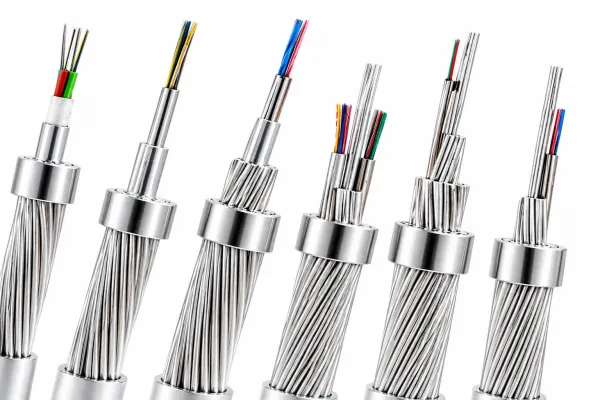
OPGW

When designing high-voltage transmission projects, engineers must address two core requirements: line lightning protection and dedicated communication channels between substations. The traditional solution involves installing separate conventional overhead ground wires and standalone communication cables. This method increases tower load, along with extra material, construction and ongoing maintenance costs. With the rapid expansion of smart grids … Read more
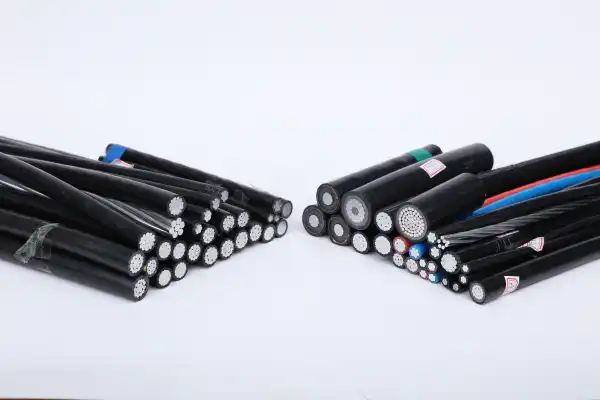
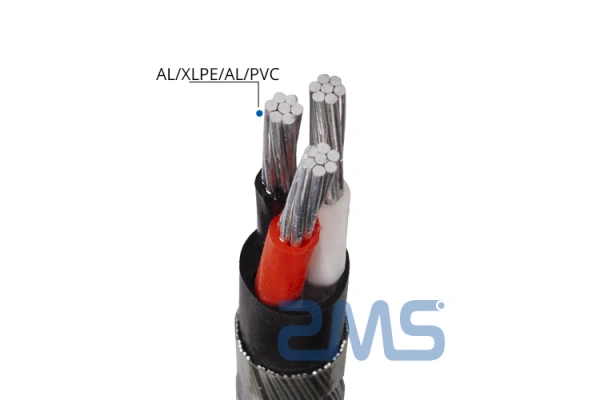
How Does Aerial Bundled Cable Improve Overhead Power Distribution?

Aerial Bundled Cable

If you have worked on rural or suburban power distribution projects, you know the headaches brought by traditional bare overhead lines. Tree branches grow rapidly in spring and summer; contact between branches and power lines easily triggers tripping. Plastic bags and dry branches carried by strong winds may land on lines and cause short-circuit outages. … Read more

Concentric Cable Beginner’s Guide: Structure, Types & Key Project Selection Tips

concentric cable

For residential service connections, street lighting and low-voltage distribution projects in the UK, Australia, New Zealand and other overseas markets, concentric cable is a widely used cable type. Unlike standard multi-core power cables, it has neutral/earth conductors helically wrapped around the insulated core. From our experience supporting global projects, many procurement teams mix up the … Read more

Celebrating China National Day 2026 with ZMS Cable: Holiday Notice & Best Wishes

Happy China National Day 2026 from ZMS Cable

On October 1, China celebrates National Day, one of the most important public holidays in the country. It marks the founding of the People’s Republic of China in 1949 and is a time for reflection, gratitude, family, and national pride. The holiday also begins the well-known “Golden Week,” when many people across China travel, rest, … Read more

What Is the Difference Between HV MV and LV Cables? A Selection Guide

LV, MV, and HV Power Cables

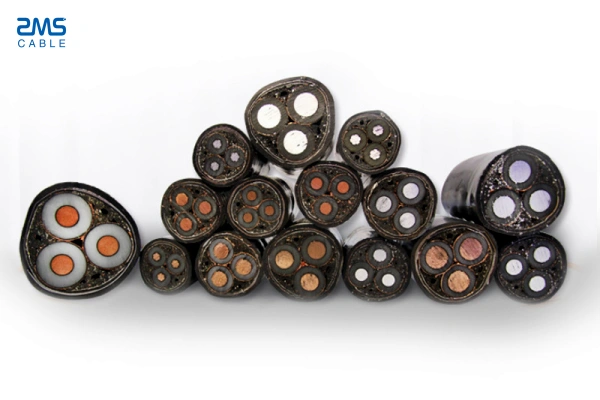
Note: In this article, LV stands for Low-Voltage, MV for Medium-Voltage, HV for High-Voltage. For overseas power distribution networks, new-energy and infrastructure projects, LV, MV and HV cables serve as the core media for power transmission. Quite a few project failures stem not from poor product quality, but incorrect voltage grade selection or insufficient understanding of … Read more

What Are the Different Types of Overhead Bare Conductors? A Selection Guide for AAC, AAAC, ACSR, and ACAR

overhead bare conductor

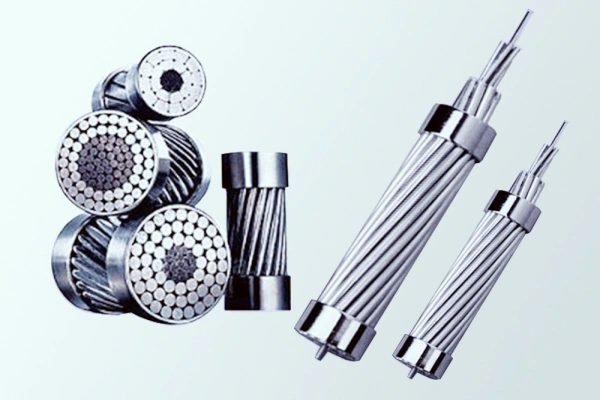
Overhead bare conductors serve as the primary transmission medium for global overhead power transmission and distribution lines. Unlike overhead insulated cables, overhead bare conductors are directly exposed to the outdoor environment. Through ZMS’s extensive experience with overseas projects, we have observed that many procurement errors stem from a failure to distinguish between the four mainstream … Read more

Happy Mid-Autumn Festival from ZMS Cable: Holiday Notice & Best Wishes

Mid-Autumn Festival

As the full moon rises, ZMS Cable would like to wish our global customers, partners, and friends a happy Mid-Autumn Festival. Also known as the Moon Festival, this is a special time in China for family reunion, gratitude, and sharing blessings. Holiday Schedule Our China head office will be closed from September 25 to September … Read more

What Is the Difference Between Armored Cable and Unarmored Cable?

Armored cable VS unarmored cable

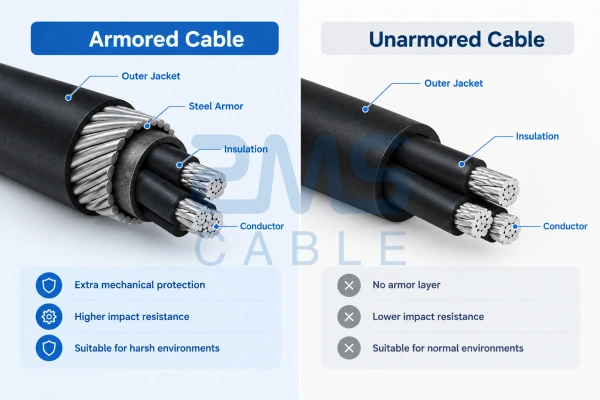
Armored and unarmored cables are both types of power cables, and they are the two most commonly used types of power cables. Power cables all consist of conductor, conductor insulation, and outer protective layer. The difference between armored cables and unarmored cables lies in the presence or absence of an armor layer. Compared to unarmored cables, … Read more

What Is Overhead Insulated Cable? ABC Cable Sturctrue and Applications

Overhead Insulated Cable

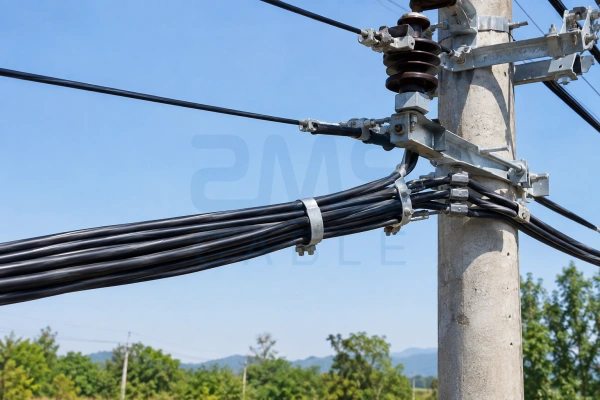
As countries place increasingly stringent requirements on power grid safety, the problems of traditional bare overhead conductors have become more apparent: tree branches, birds, and severe weather can easily cause line faults, resulting in poor safety. Therefore, whether it’s urban or rural power grid renovation, forest area electrification, or new energy grid connection projects, overhead … Read more

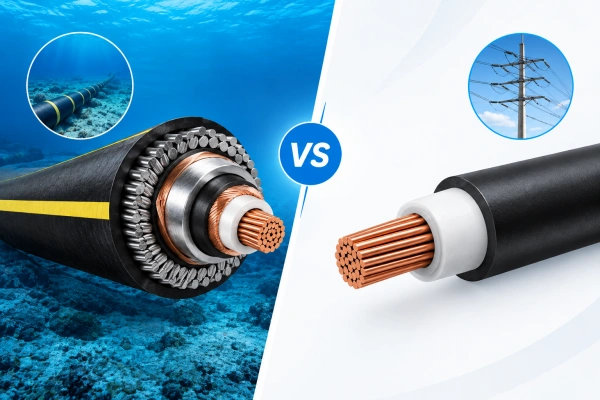
What Is the Difference Between Offshore Power Cable and Regular Power Cable?

Offshore Power Cable and Regular Power Cable

Power cables used in offshore environments face challenges that ordinary land cables rarely encounter. Exposure to seawater, humidity, mechanical stress, and extreme weather conditions requires specialized cable designs. So, what makes offshore power cables different from regular power cables? Offshore Power Cable VS Regular Power Cable What Is Offshore Power Cable? An offshore power cable … Read more