When choosing an electrical cable, the insulation material matters just as much as the conductor. Poor insulation selection often leads to cable overheating, premature aging, and hidden safety hazards, increasing long-term maintenance costs for contractors and engineers.
XLPE and PVC are the two most widely used cable insulation materials on the market. Though they look similar and serve basic wiring needs, they differ significantly in thermal performance, electrical properties and applicable scenarios. No one-size-fits-all solution exists, and the ideal choice depends entirely on your project requirements.
So, what is the difference between XLPE and PVC cable, and which should you choose?
What Is XLPE Cable?
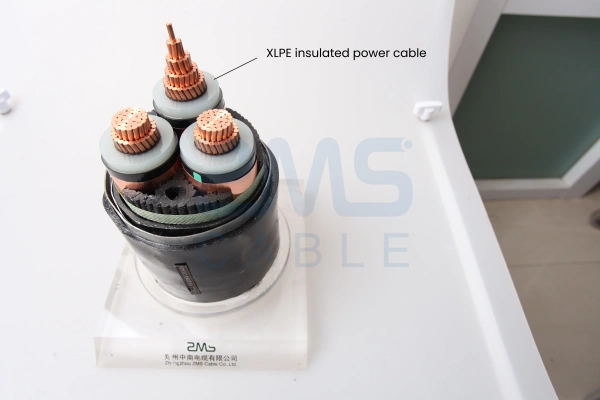
XLPE stands for Cross-Linked Polyethylene, a type of thermosetting plastic commonly used as insulation in electrical power cables. During the manufacturing process, polyethylene is cross-linked to improve its thermal and electrical properties.
Key Features of XLPE Insulation
XLPE insulation is widely used in power cables because of its combination of electrical, thermal, and mechanical properties.
High operating temperature: XLPE can operate at higher conductor temperatures than standard PVC insulation, making it suitable for cables carrying higher loads.
Good electrical insulation: It provides reliable insulation performance and is widely used in LV, MV, and HV power cables.
Good thermal stability: XLPE maintains its insulation properties under elevated operating temperatures.
Good moisture resistance: It performs well in many wet or underground installation environments when the overall cable construction is properly designed.
Where Are XLPE Cables Used?
Because of these properties, XLPE insulated cables are commonly used in a wide range of power applications, including:
- Power distribution networks
- Substations
- Industrial plants
- Underground power systems
- Medium- and high-voltage applications
For example, YJV cable is a common type of XLPE insulated power cable, typically consisting of a copper or aluminum conductor, XLPE insulation, and a PVC outer sheath.
What Is PVC Cable?
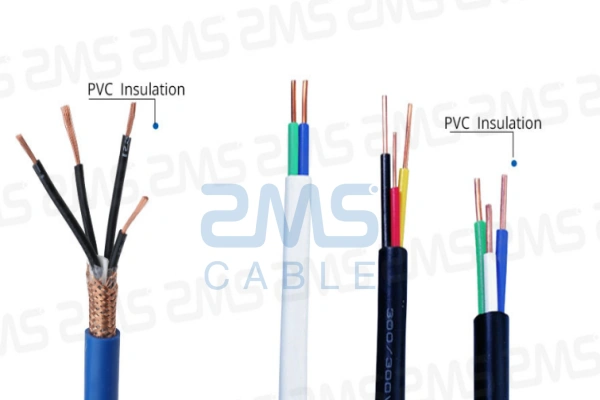
PVC, or Polyvinyl Chloride, is one of the most widely used insulation materials in electrical cables. It is popular because it offers a practical balance of flexibility, durability, electrical insulation, and cost.
PVC-insulated cables are commonly used where extremely high thermal performance is not required. You can find them in building wiring, low-voltage power systems, control circuits, and general industrial installations. PVC is also relatively easy to process and can be formulated for different levels of flexibility and flame resistance.
That said, PVC is not simply a cheaper alternative to XLPE. The two materials are designed for different operating conditions. For applications where higher operating temperatures or more demanding power distribution requirements are involved, XLPE is often the more suitable option.
What Is the Difference Between XLPE and PVC Cable?
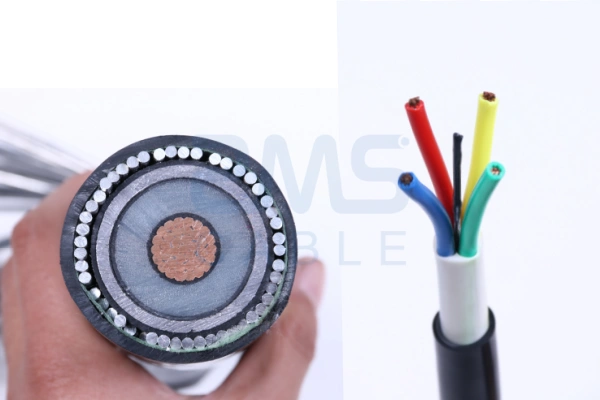
Although both XLPE and PVC are widely used as cable insulation materials, they perform differently under various operating conditions. The main differences are related to temperature resistance, electrical performance, flexibility, and typical applications.
| Feature | XLPE Cable | PVC Cable |
|---|---|---|
| Insulation Material | XLPE | PVC |
| Temperature Resistance | Higher | Lower |
| Electrical Performance | Excellent | Good |
| Thermal Stability | Excellent | Good |
| Flexibility | Moderate | Generally better |
| Typical Applications | Power distribution, MV and HV systems | Building wiring, control and LV systems |
| Cost | Higher | Lower |
Temperature resistance is one of the most important differences. XLPE insulation can withstand higher continuous operating temperatures, which makes it well suited to power cables carrying higher loads. PVC is generally more flexible and can be more cost-effective for everyday wiring and less demanding installations. XLPE, on the other hand, is often preferred when higher thermal and electrical performance is more important than the initial cable cost.
In short, neither material is universally better. XLPE is generally a better fit for demanding power applications, while PVC can be a practical choice for general wiring and many low-voltage systems.
XLPE vs PVC Cable: Which Should You Choose?
There is no single answer to which cable is better. The right choice depends on the voltage level, operating conditions, installation environment, and performance requirements of your project.
XLPE is generally a better option when the cable needs to handle more demanding operating conditions, such as:
- Medium- or high-voltage power distribution
- Higher operating temperatures
- Industrial power systems
- Substations and power distribution networks
- Underground power installations
PVC can be a practical choice for applications where extreme thermal performance is not required, including:
- General electrical wiring
- Low-voltage systems
- Building installations
- Control circuits
- Industrial equipment
However, insulation material is only one part of cable selection. You should also consider the conductor size, voltage rating, installation method, ambient temperature, mechanical protection, and applicable standards before making a final decision.
How to Choose the Right Cable for Your Project?
Choosing between XLPE and PVC is only the first step. The right cable also depends on how and where it will be used. Before placing an order, you should consider the following factors.
1. Voltage and Current Requirements:
Start with the system voltage and expected load current. The cable must have a suitable voltage rating and conductor size to safely handle the required electrical load. For higher-voltage power distribution, XLPE insulated cables are commonly used because of their strong electrical and thermal performance. PVC insulated cables are widely used in many low-voltage applications.
2. Installation Environment:
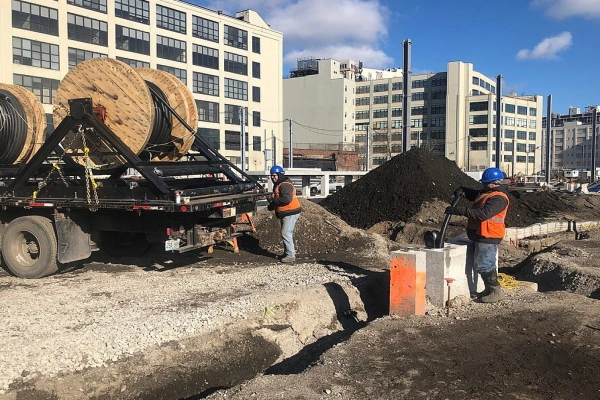
Indoor, outdoor, underground, cable tray, and industrial environments can all have different requirements. For example, underground installations may require additional mechanical protection, water resistance, or armoring depending on the site conditions.
3. Operating Temperature
If the cable will be exposed to higher temperatures or carry a heavy continuous load, XLPE may be a better choice because of its higher thermal capability.
4. Applicable Standards
Make sure the cable meets the standards required for your project and market, such as IEC, BS, ASTM, or DIN.
5. Project Requirements
Finally, you should consider the complete application. Conductor material, number of cores, cable size, armoring, sheath material, installation method, and required length may all affect the final cable specification.
If you are not sure which cable is suitable for your project, providing these basic requirements to us and ZMS cable can make the selection process much easier.
How Can ZMS Help You With Cable Selection?
Choosing the right insulation material is only one part of cable selection. Other factors, such as voltage level, conductor material, cable size, installation method, and applicable standards, also need to be considered.
At ZMS Cable, we can help you select a suitable cable based on your project requirements. If your application has specific technical needs, we can also help develop a customized cable solution to match your project.
If you already have a cable specification, you can send it to us for review. If you are still comparing options, simply share your voltage, application, installation environment, required length, and other basic requirements, and our team can help you find a suitable solution.
Need Help Choosing the Right Cable? Send us your project requirements and let ZMS Cable help you find the right cable solution for your application.