India is rolling out a major long-term grid upgrade. Official PIB data shows India’s transmission network will expand from 509,000 circuit-kilometres (June 2026) to 648,000 circuit-kilometres by 2032. Hundreds of new and upgraded substations will connect renewable power from Gujarat and Rajasthan solar, wind and green hydrogen hubs, alongside growing industrial demand in Maharashtra and Tamil Nadu.
For EPCs and power buyers, the biggest hurdle is sourcing cables that match local site conditions, meet Indian standards and deliver reliable long-term performance. Many international vendors face expensive setbacks: non-compliance with BIS rules or poor climate resistance can result in rejected bids, early cable failure and costly project delays.
This guide outlines suitable cable types, mandatory standards and critical selection tips for substation and transmission projects, to help you mitigate risks and finalise robust tender cable solutions.
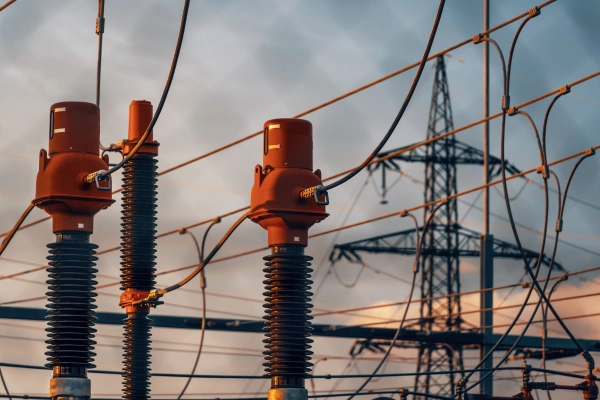
Main Cable Selection for Transmission & Substation Projects
Cable requirements vary widely depending on installation methods. The table below summarises widely used cable types, applicable standards and critical requirements for Indian transmission projects.
| Cable Type | Common Voltage | Applicable Indian Standard | Application in Transmission & Substation Works | Special Requirement for Indian Projects |
|---|---|---|---|---|
| XLPE Insulated Medium Voltage Power Cable | 11kV, 33kV, 66kV, 132kV | IS 7098 Part 2 & 3 | Substation incoming / outgoing feeders, underground transmission links | BIS ISI marking, high temperature resistance, low dielectric loss |
| SWA Armoured XLPE Cable | 11kV–132kV | IS 7098 | Direct burial along roads and rural corridors | Rodent protection, high mechanical strength |
| Aerial Bunched Cable (ABC) | 0.6/1kV | IS 14255 | LV/MV overhead feeders from substations | UV resistance |
| Substation Control & Instrumentation Cable | 450/750V | IS 1554 | Protection relays, SCADA and secondary control circuits | Flame retardant; LSZH option available for high-humidity sites |
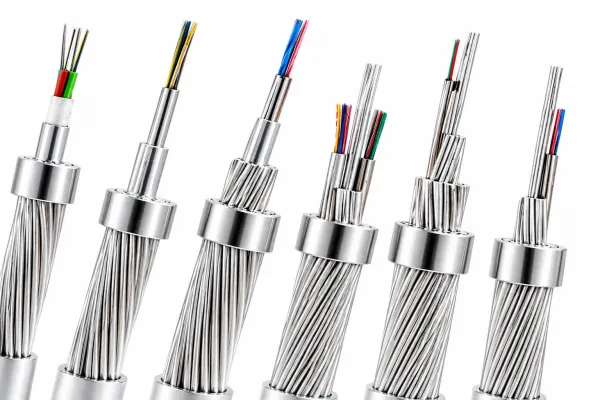
| OPGW Optical Ground Wire | — | IS/IEC associated specifications | Telecommunication signal transmission on transmission towers | Designed for integration with overhead transmission lines |
XLPE insulated cable is the primary cable choice for new Indian substations, widely adopted for GIS indoor bays and long-distance cable trench routes. Compared with traditional PVC insulated cables, XLPE offers superior heat resistance and higher current-carrying capacity. It can withstand cyclic temperature fluctuations caused by variable renewable power output and reduce the risk of premature thermal ageing. Both copper and aluminium conductor options appear frequently in tenders. Aluminium conductors are often specified for long-distance trunk lines to control overall project procurement costs.
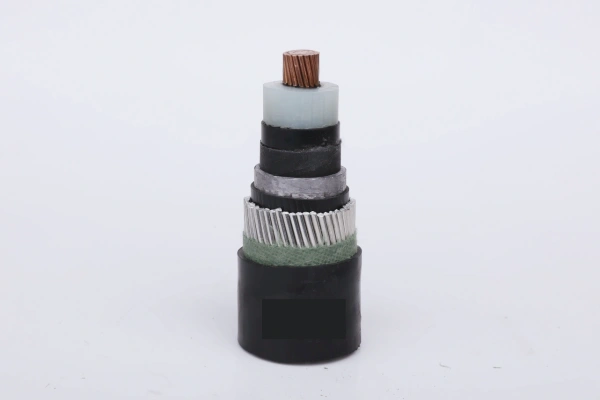
Numerous transmission corridors in India run through farmland and undeveloped land. Mechanical crushing and rodent damage are common on-site hazards. Once the cable sheath is breached, outage repair costs can easily exceed the original cost of the cable itself. SWA steel wire armour provides robust mechanical protection. Sheath selection must match the site environment: HDPE sheaths are preferred in coastal Gujarat to resist salt spray corrosion. For Rajasthan’s desert zones, UV-stabilised outer sheaths are essential to slow degradation from intense sunlight and high heat.
Flame-retardant control cables carry protection signals for the substation secondary system. In the event of fire, their flame-retardant property allows protection devices to function temporarily, buying valuable time for grid fault handling.
Installed alongside overhead transmission towers, OPGW optical ground wire carries grid communication signals and forms an indispensable part of the complete transmission link.
Core Selection Requirements for Indian Projects
Many international suppliers confuse IEC international standards with Indian IS standards. For POWERGRID and state power utility tenders, main power cables fall under the scope of mandatory BIS certification.
IEC test reports alone are not sufficient to pass pre-qualification checks and site acceptance. At the early tender stage, suppliers must prepare ISI certificates and full type test reports to support EPC teams with tender documentation.
Construction hubs across India have vastly different environmental conditions, so a one-size-fits-all cable solution will not work.
Coastal Gujarat suffers high salt concentration and elevated corrosion risk. Rajasthan’s desert climate features extreme heat and strong UV radiation that speed up cable degradation. Maharashtra and Tamil Nadu see heavy rainfall and high humidity, where moisture and mould can penetrate cable terminations and trigger insulation faults.
Large volumes of solar and wind power are fed into the main grid, and power output fluctuates continuously with sunlight and wind speed. Cable sizing should not rely solely on steady-state rated current. Sufficient overload margin must be reserved to prevent repeated thermal cycling and shorten cable service life.
Common Mistakes in Cable Procurement
- First, supplying cables only to IEC specifications without BIS documentation leads to disqualification at pre-qualification stage, wasting all upfront tender investment.
- Second, using non-armoured cables for direct burial routes results in unexpected cable damage, unplanned outages and expensive emergency repairs.
- Third, sizing cables based on ambient temperatures typical for temperate regions without accounting for India’s higher average ambient temperature, leading to chronic overheating.
- Fourth, selecting standard PVC sheaths for coastal sites, which crack and corrode within a short operating period.
ZMS Cable Solutions for Indian Projects
Aligned with India’s ongoing transmission network expansion, ZMS Cable supplies a full range of transmission and substation cables complying with IS standards, supporting projects in Gujarat, Rajasthan, Maharashtra, Tamil Nadu and other key regions.
We manufacture cables to IS 7098, IS 1554 and IS 14255. Our package includes complete type test documentation and supporting materials for BIS compliance to help EPC teams prepare tender submissions. We customise sheath formulations according to site conditions, including salt-resistant HDPE sheaths, UV-stabilised desert-grade sheaths and flame-retardant low-smoke control cables.
From medium-voltage XLPE power cables and armoured cables to substation control cables, we offer one-stop supply. This reduces the communication burden and verification workload for EPCs managing multiple vendors. Our technical team can support contractors with ampacity verification and installation layout recommendations to guarantee long-term reliable power supply. Whether you are upgrading existing grid infrastructure or building new substations for renewable evacuation, contact us for datasheets and quotations.

Frequently Asked Questions
A: IS 7098 compliant 11kV, 33kV and 66kV XLPE medium voltage cables are the dominant choice for substation incoming and outgoing circuits.
A: Main power cables are covered under mandatory BIS regulation. For control cables and auxiliary cables, always check the tender document and confirm requirements with the asset owner in advance.
A: SWA armoured XLPE cable with UV-stabilised HDPE outer sheath, built for high temperature and intense UV exposure in desert environments.
A: IS 7098 is an Indian national standard adapted for local high ambient temperatures, test protocols and certification rules. Compliance with IEC standards alone does not satisfy the requirements of Indian grid tenders.
Conclusion
India’s transmission network will continue major expansion through 2032, bringing steady procurement opportunities for new and refurbished substation projects. Cable selection is more than checking technical parameters; it is a holistic solution balancing regulatory compliance, local climate, installation methods and long-term operational reliability.
If you are preparing tenders for Indian substation or transmission projects and searching for a dependable cable supplier, get in touch with ZMS Cable. We can develop custom cable recommendations matched to Indian standards for your site conditions and provide complete technical data packages ready for tender submission.