Overview of Cable Types and Their Differences
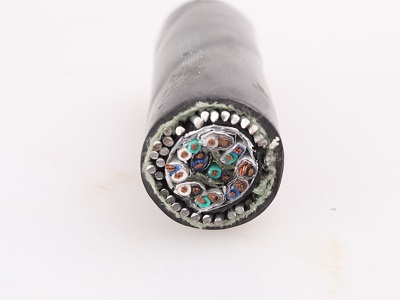
control cable

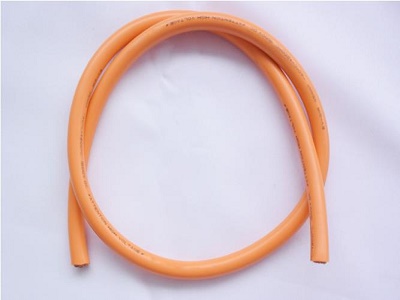
Low Voltage Cables Includes a variety of copper or aluminum insulated polymer insulated cables with voltage ratings between 600 and 1000 volts. These cables are used to transmit power in a variety of applications, from lighting to drive power to electric motors, and there is a very wide range of low voltage cables designed specifically … Read more
New Energy Vehicle High-voltage Wiring Harness Design

high voltage cable

High-voltage cables for new energy vehicles are generally compose of high-voltage cables, connectors, protective materials mounting brackets, sealing rubber rings, labels, etc. The following figure is a typical high-voltage wiring harness assembly. Structure of High-voltage Cable High-voltage cables are compose of conductors, insulation, sheaths, shields, aluminum foils, tapes, and fillers. Conductor: Consists of annealed soft … Read more

What is ACCC Conductors?

ACCC cable

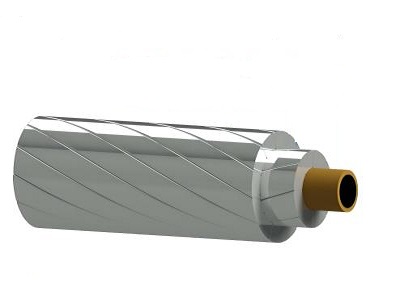
In particular, ACCC conductors have been used to increase the efficiency of the re-conductor portion of the transmission grid by 30% or more. ACCC cables use lightweight, small-size carbon fiber composite cores. It increases the load-bearing capacity of the overall material and reduces the core volume of the new ACCC cable. ACCC cables can provide … Read more

Difference Between Electric Heating and Heating Cables

self regulating cable

When winter comes, insulation and heating are often heard. In recent years, the use of electric heating cables and heating cable products has given users more choices. But many users are not very clear about the difference between electric heating cables and heating cables. Different Types The self-limiting electric heating cable can automatically limit the … Read more

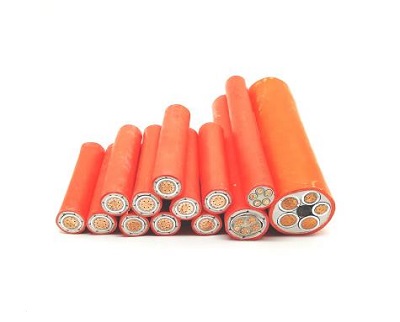
What are the Characteristics of the Mineral Insulated Cables?

micc cable

With the development of science and technology, the quality of various construction projects is gradually improving. On the one hand, it is the application of advanced engineering technology, and on the other hand, it benefits from the increasing use of high-tech engineering materials in engineering. The application of MICC cable has provided great help for … Read more

What are Submarine Cables?

submarine cable

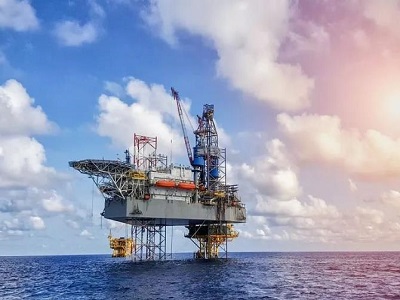
Introduction of Submarine Cable Submarine cable are wires wrapped with insulating materials, which are laid on the seabed and underwater for telecommunication transmission. Submarine cables are divided into submarine communication cables and submarine power cables. Modern submarine cables use optical fibers as the material to transmit telephone and Internet signals. In this age of informationization, … Read more

DC Cables and AC Cables: What Makes Them Different?

DC and AC cable

Armored cables use steel tape or aluminum tape to strengthen the mechanical properties of the cable so that the cable can withstand external mechanical pressure. The shielded cable is shielded with copper tape or braided copper wire to isolate electromagnetic field interference. Metal-clad cable and armor cables are among the most confusing cables on the … Read more

Characteristics of Rubber Cable

rubber cable

Different types of wires and cables have different sheath thicknesses, like rubber cables. They are mainly used in wear-resistant and cold-resistant places. And the insulating sheath is thicker. Generally, the higher the voltage level, the thicker the sheath. And the thickness of cables used for low-voltage electrical equipment generally does not mainly consider electrical properties, … Read more

What are Coaxial Cables?

coaxial-cable

The modern communications and networking cable market is oversaturated with quotes, so it can be difficult to choose the cable that is best for your specific application. In this article, we compare the most popular types of network cables, coaxial and twisted pairs, to help you make an informed choice. We’ve focused on the differences … Read more

What is the ACSR Cable?

structure-of-acsr

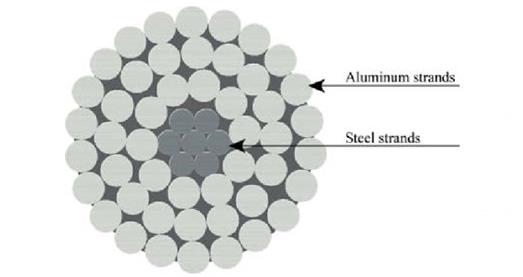
The steel core aluminum stranded cable is a steel core aluminum stranded cable, which has the characteristics of simple structure, convenient erection and maintenance, low cost, large transmission capacity, easy to cross rivers and valleys and other special geographical conditions, as well as good electrical conductivity, sufficient The mechanical strength and tensile strength are high, … Read more